
How Long Do Lip Fillers Last? A 6-to-18-Month Timeline
How long lip filler can last, why reputable sources cite different ranges, what affects fading and why a calendar cannot predict retreatment.
How Long Lip Fillers Last
Lip filler is temporary, but there is no universal expiration date. The FDA describes hyaluronic-acid filler effects as approximately six to 12 months, while Cleveland Clinic’s lip-filler overview says lip fillers typically last 12 to 18 months. The exact product, amount, placement and individual response matter, so use the range for planning questions—not to schedule an automatic top-up.
Timeline at a glance
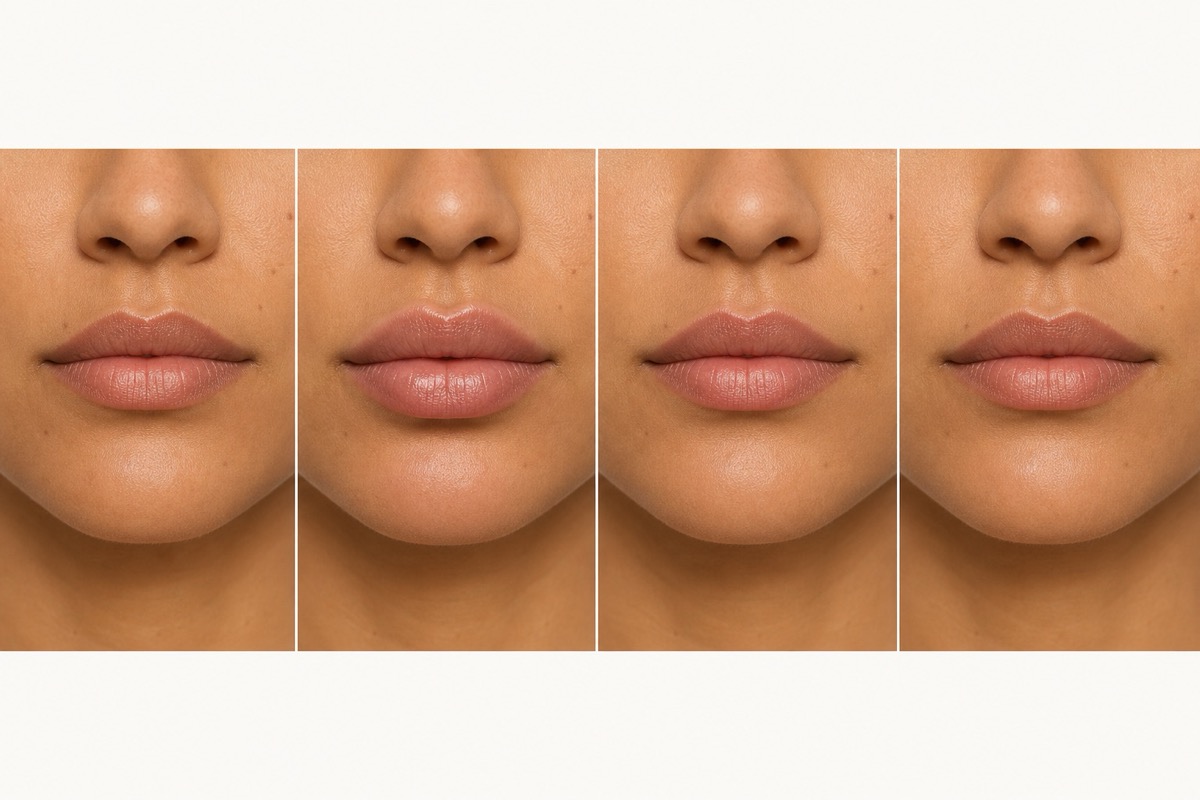
Longevity is easier to judge after early swelling has settled. A change in how full the lips look is gradual, and noticing less volume is not the same as proving that no filler remains.
Swelling obscures the baseline
Early volume combines filler with a temporary tissue response, so this week cannot show how long the result will last.
A more useful comparison point
As swelling settles, standardized photographs and the treating clinician’s review can establish a more meaningful post-treatment baseline.
Gradual softening may be noticeable
The FDA gives an approximate six-to-12-month effect for hyaluronic-acid filler material, but product-specific labeling and individual response still matter.
Some results persist longer
Cleveland Clinic’s lip-filler overview gives a typical 12-to-18-month range. This wider window is not a promise for every product or person.
The bars show relative visibility within this guide only. They are not percentages, clinical measurements or personal forecasts.
Why reputable sources give different duration ranges
A duration estimate may describe a filler material in general, a particular product’s study endpoint, or the time a person still notices a cosmetic effect. Those are related but not identical measurements. The FDA gives approximate duration by material, while product labeling contains the evidence for a specific approved use.
Lip movement, product formulation, injected amount and plane, anatomy, prior treatment and the threshold at which someone notices fading can all change the apparent timeline. A before-and-after comparison also changes with expression, hydration, lighting and camera distance.
How to interpret the stages
A recovery timeline combines broad observations from published patient guidance. It cannot know the exact product or device, treatment depth, technique, medical history, skin characteristics or aftercare plan involved in one person’s case.
Use the stages to understand the order in which changes may happen and to prepare questions for a qualified professional. Do not use a general internet timeline to override instructions from the clinician who assessed and treated you.
Aftercare principles
- Record the exact product name, amount, treatment date and lot information supplied by the clinic.
- Compare progress using similar lighting, angle, expression and camera distance.
- Do not book a top-up only because a generic online calendar reaches a certain month.
- Follow the treating clinician’s aftercare and review plan instead of trying to make filler last through unproven hacks.
Extreme pain, pale or purple skin, rapidly worsening swelling, visual symptoms or other sudden concerning changes are not longevity questions. Contact the treating provider immediately and seek urgent care as directed.
Why your timeline may differ
Questions to ask before treatment
- What exact product, amount and approved indication are planned?
- What duration does the product’s patient labeling report for this use?
- When will photographs and a settled-result review be taken?
- What change would justify reassessment rather than an automatic top-up?
- Which symptoms require immediate contact after injection?
Approved lip indications, product names, minimum ages, prescriber rules and injector qualifications differ by country. Verify the exact product and professional through the regulator where treatment occurs; a U.S. approval does not establish approval elsewhere.
Find official checks for 12 marketsHow this guide was made
3 named sources support the main claims. Each link explains how it was used, with public agencies, professional bodies or primary research preferred.
AI may assist with research organization, drafting and translation, but it is not treated as a source or credential. Read the editorial standards.
Stage bars organize a relative sequence. Original editorial illustrations are conceptual and are not clinical measurements, outcome percentages or personal forecasts.
This version has editorial evidence review, not medical review attributed to a named clinician. It does not replace an individual assessment. Editorial accountability.
Sources
- FDA: FDA-Approved Dermal Fillers
Temporary filler materials, approximate duration by material and product-approval context in the United States.
- Cleveland Clinic: Lip Fillers
Lip-filler duration, treatment process, recovery, risks and questions for the provider.
- Cleveland Clinic: Lip Filler Aftercare
Settling time, temporary duration, practical aftercare and vascular warning signs.
Frequently asked questions
What should I know about How Long Lip Fillers Last?
Lip filler is temporary, but there is no universal expiration date. The FDA describes hyaluronic-acid filler effects as approximately six to 12 months, while Cleveland Clinic’s lip-filler overview says lip fillers typically last 12 to 18 months. The exact product, amount, placement and individual response matter, so use the range for planning questions—not to schedule an automatic top-up.
Why can the timeline differ from person to person?
Treatment type, depth, technique, anatomy, skin and tissue response, health history, medication, aftercare and complications can all change timing. The treating professional’s instructions take priority over a general guide.
When should I contact a professional?
Extreme pain, pale or purple skin, rapidly worsening swelling, visual symptoms or other sudden concerning changes are not longevity questions. Contact the treating provider immediately and seek urgent care as directed.
Explore the complete lip filler guide
Move between swelling, aftercare, duration, product checks and urgent warning signs without mixing their timelines.
Open lip filler topic hubRelated beauty guides
View Aesthetic ProceduresLip Filler Swelling Stages: Day 1 to Week 4
A stage-by-stage guide to lip filler swelling, bruising, settling time, aftercare and warning signs.
Read next AESTHETIC PROCEDURESLip Filler Aftercare: Eating, Exercise, Makeup and Massage
What to do after lip filler, when to eat, exercise, use lip products or massage—and why reputable aftercare instructions can differ.
Read next AESTHETIC PROCEDURESLip Flip vs Lip Filler: Differences, Results, Duration and Risks
Compare how a lip flip and lip filler work, when results appear, how long they may last and why their risks and tradeoffs are different.
Read nextThis guide is for general education only. It is not medical advice, diagnosis, a treatment recommendation or a prediction of individual results. BeautiNext is not a clinic. Seek care from an appropriately qualified professional.